Water Damage Restoration in Shandon, Columbia, SC
Shandon is one of Columbia’s most loved historic neighborhoods – tree-lined streets, 1920s to 1940s bungalows and Craftsman homes, and a strong community feel just southeast of downtown. Those beautiful older homes carry classic water risks: original cast-iron and galvanized plumbing nearing end of life, mature tree roots invading sewer laterals, aging roofs, and crawl spaces that take on water in heavy rain. Columbia Flood Fix Pros connects Shandon homeowners with independent local providers who know historic homes. (803) 555-0147 Serving ZIP code 29205
Common Water Damage Problems in Shandon
Sewer backups from root-invaded clay and cast-iron laterals, supply line bursts in uninsulated crawl spaces during freezes, roof leaks on aging shingles, water heater failures, and crawl space flooding after Midlands downpours. Mature oaks are wonderful until their roots find your sewer line – it is one of the most common problems Shandon homeowners face.
Water Damage Services in Shandon
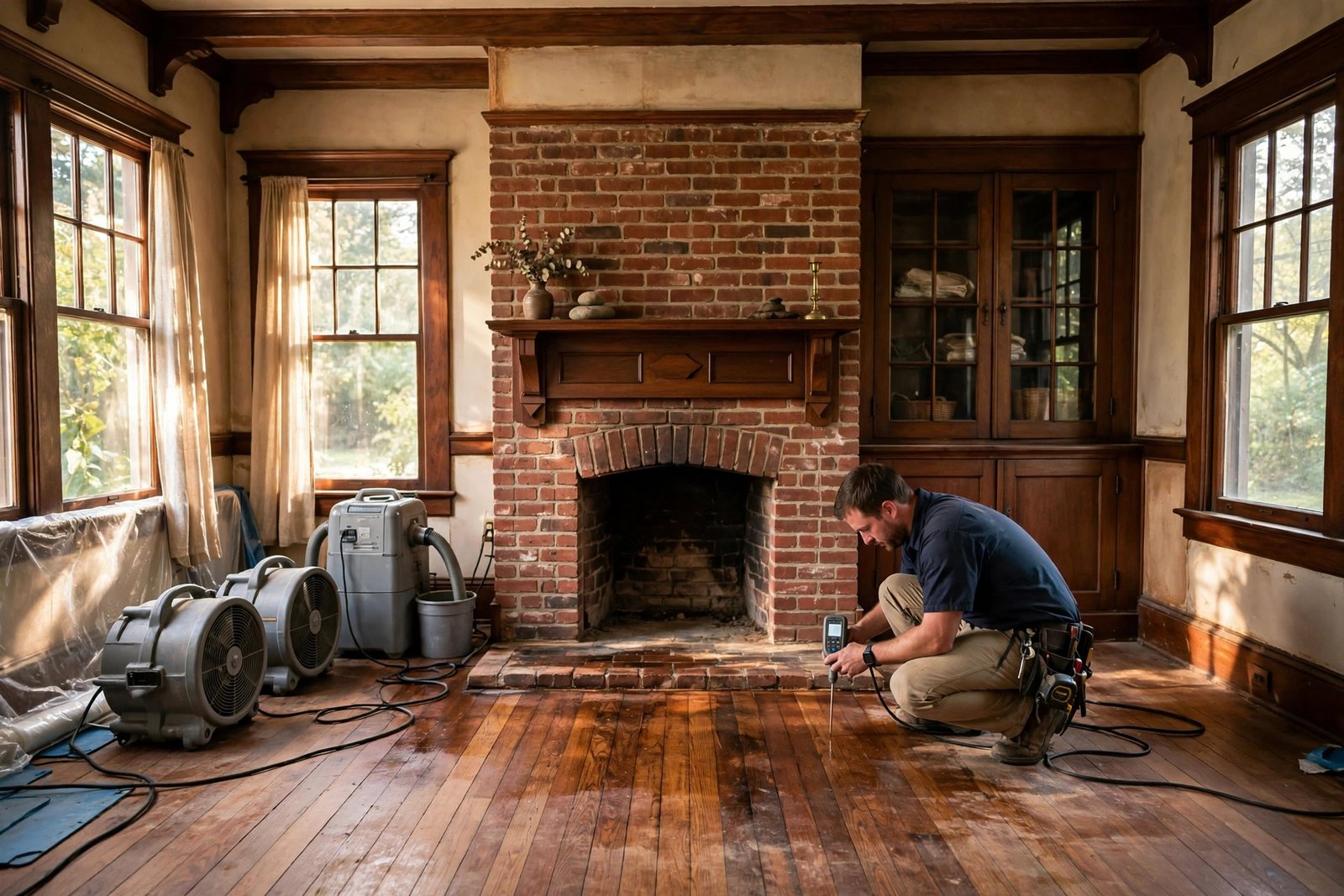
Emergency water extraction, flood damage cleanup, sewage backup cleanup, storm damage restoration, basement and crawl space flood cleanup, burst pipe repair, ceiling and wall repair, and structural drying. Providers take extra care with historic finishes – heart-pine floors, plaster walls, original trim – drying and saving what is salvageable rather than defaulting to demolition.
Why Shandon Homeowners Call Us
Local providers respect old houses. Their technicians know how water moves through balloon framing and plaster, how to dry heart-pine without cupping it, and when a sewer camera inspection will save you from the next backup. A provider documents everything for your insurance and gives honest advice on preventing repeats, like backwater valves for root-prone laterals.
Whatever the cause – from sewage backup cleanup and burst pipe repair to full flood recovery – you are covered by professional water damage restoration in Columbia. One call connects you with a local provider, and the provider documents every job for your insurance.
Why Do Shandon's Original Pipes Fail?
Cast iron drains corrode inside, and galvanized lines narrow with rust. In Shandon’s 1920s to 1940s homes, many lines are at the end of their service life, and pinhole leaks appear first. A provider dries the damage, and a plumber advises on replacements.
Shandon's Historic Homes and Water Risk
Shandon’s 1920s to 1940s bungalows and Craftsman homes are some of Columbia’s most loved – and their original cast-iron and galvanized plumbing is nearing end of life. Mature oaks line these streets, and their roots relentlessly invade clay and cast-iron sewer laterals, making backups one of Shandon’s most frequent emergencies. Crawl spaces take on water in heavy Midlands downpours, aging roofs leak, and water heaters fail in tight utility areas. These homes deserve preservation-minded restoration: heart-pine floors, plaster walls, and original trim can usually be dried and saved when the work is handled by a provider who knows historic construction.
The most common local causes are sewer backups from root-invaded laterals, supply line bursts in uninsulated crawl spaces during hard freezes, roof leaks on aging shingles, and crawl space flooding after downpours. If your lateral has backed up before, a backwater valve and periodic camera inspections are the best defense.
Shandon's Creeks, Trees, and Storm Water
Shandon sits in the Gills Creek watershed, and Jackson Creek runs through this part of Columbia. In October 2015, Gills Creek reached 17 feet, nearly double its previous record, after 15 to 20 inches of rain fell in three days, and five dams breached, including Forest Lake, Arcadia Lake, and Lake Dogwood. Creek water pushed into streets and homes beyond the mapped flood zones. The canopy adds risk: saturated ground and wind bring down trees onto roofs, while the same roots work on sewer laterals year-round. After major storms, check crawl spaces.
What Happens When Plaster Walls Get Wet?
Plaster is tougher than drywall, but it holds water and can separate from its lath backing if it stays soaked. Shandon’s plaster walls can often be dried in place with careful airflow instead of being torn out. A provider tests moisture through the plaster before deciding what is salvageable.
How Can You Spot a Hidden Leak in an Older Home?
Watch for a water bill that climbs unexplained, musty smells, bubbling paint, or a warm, soft spot on the floor. Leaks often hide in crawl spaces and inside walls. A provider uses moisture meters to locate the water before anything is opened.
Sources
Sources
- IICRC - The restoration industry's standards body (S500 water damage standard).
- U.S. EPA Mold - Mold growth timelines and cleanup guidance.
Frequently Asked Questions
Are sewer backups common in Shandon?
Yes, mature trees plus aging clay and cast-iron sewer laterals make root intrusion one of Shandon’s most frequent water emergencies. Local providers see these backups often, and they can cause serious damage if water keeps coming in. A backwater valve and periodic camera inspections are the best defense, and a provider can talk through the options for protecting your home.
Can you save my original hardwood floors?
Often yes, if drying starts quickly. Local providers use hardwood floor drying mats designed for the purpose, and that focused drying can save original Shandon floors. The key is acting fast, because floors soaked for days usually cannot be saved. If you find water on your hardwoods, call (803) 555-0147 to get connected with a provider.
Do you handle crawl space flooding?
Absolutely. Local providers handle crawl space flooding in Shandon, including pump-outs, drying, and antimicrobial treatment for the space. A provider can also give honest guidance on drainage and encapsulation options, so you can decide what makes sense for your home. Getting the space dry and keeping it dry protects your floors and the home above. Call (803) 555-0147.
Can a flooded crawl space be dried out?
Yes, in most cases. A provider pumps out the water, removes insulation and debris, and dries the space until wood moisture readings return to normal. In Shandon homes, drying the crawl space protects heart-pine floors and joists and discourages mold and pests. Call (803) 555-0147 to connect with a local provider.
How fast does mold grow after water damage?
Mold can start within 24 to 48 hours after water gets in, especially in crawl spaces and wall cavities, and the EPA advises drying inside that window. Plaster walls can hide moisture while growth spreads unseen. A provider checks with moisture meters and dries to verified readings, not guesswork. Call (803) 555-0147.
Does homeowners insurance cover water damage in Shandon?
Usually, yes, when damage is sudden and accidental, like a burst supply line or a failed water heater. Sewer backup needs a separate endorsement, rising creek water needs a flood policy, and slow leaks from aging pipes are usually excluded. A provider documents the damage for your claim. Call (803) 555-0147.
Water damage in your Shandon home? Connect with a provider who knows historic houses.
Water damage in your Shandon home? Connect with a provider who knows historic houses. Call (803) 555-0147 now – serving Shandon and Columbia, SC.